
I. General Information
School Name: Lochside Elementary
School District: SD#63 Saanich
Inquiry Team Members: Sarah Miller: sarahmiller@saanichschools.ca, Jenni Erickson: jerickson@saanichschools.ca
Inquiry Team Contact Email: lmolloy@saanichschools.ca
II. Inquiry Project Information
Type of Inquiry: NOIIE Case Study
Grade Levels Addressed Through Inquiry: Primary (K-3), Intermediate (4-7)
Curricular Areas Addressed: Language Arts – Literacy, Language Arts – Oral Language, Language Arts – Writing, Science, Social Studies
Focus Addressed: Local Indigenous Knowledges, Literacy, Land, Nature or Place-based learning
In one sentence, what was your focus for the year? Creating opportunities for students to engage with land-based, local WSÁNEĆ (hi)stories through hands-on student storytelling and experiences that enhances their connection to place and understanding of their own voice in their personal narrative.
III. Spirals of Inquiry Details
Scanning: During the scanning phase of our inquiry, we identified a need to create opportunities for school-wide engagement in SENĆOŦEN language learning. Only focusing on a classroom of learners didn’t seem to reach the larger community and create the energy needed to carry out school wide language learning.
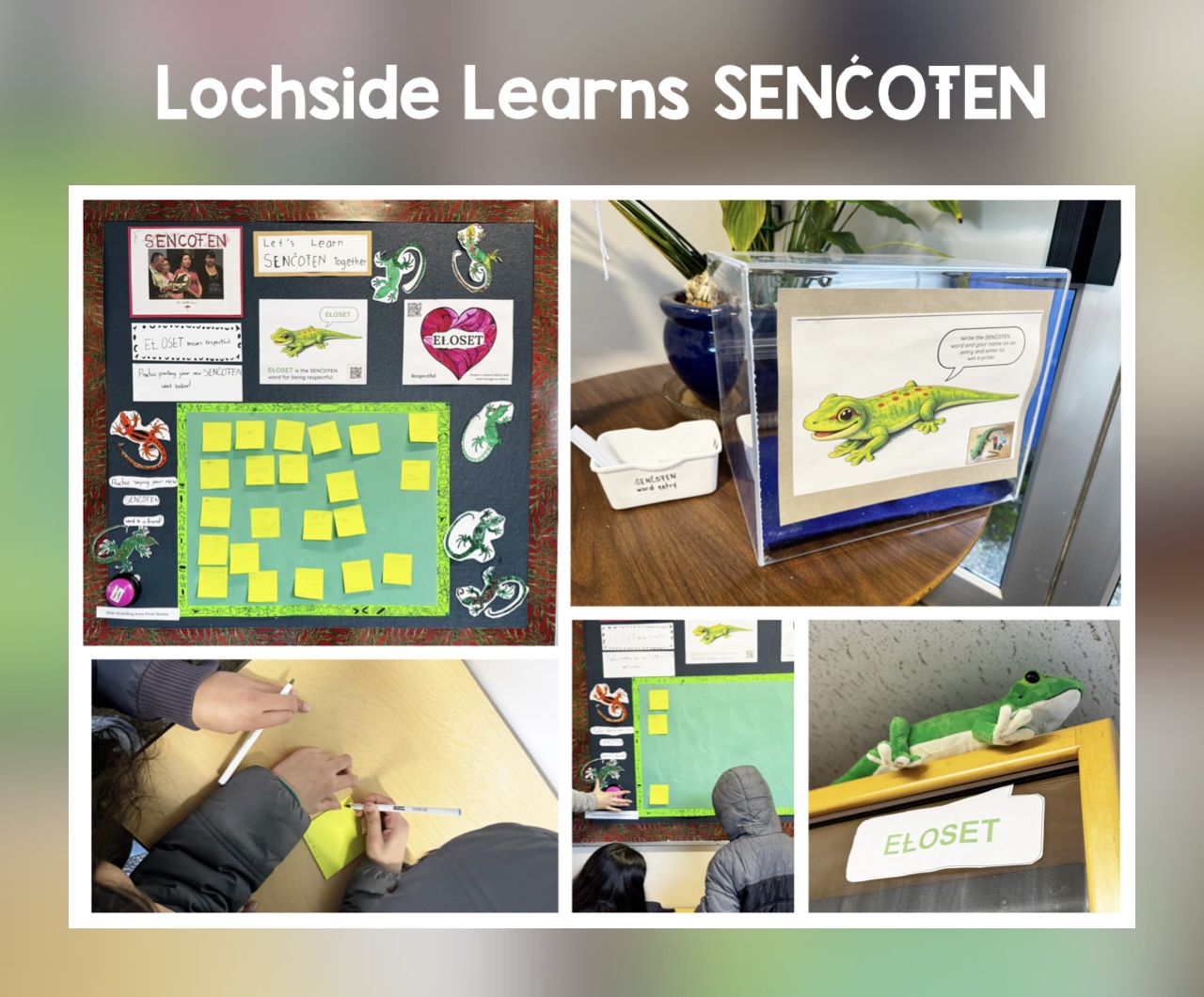
The First Peoples Principles of Learning supported us in focusing in on SENĆOŦEN language learning as a whole school event, as all students have the opportunity to see that “learning is experiential and relational”, and is focused on “connectedness to land, community, and language.” The places they visit within the school have SENĆOŦEN signage which is now becoming more visible as they are searching for language in hallways, above beams and in doorways. Having grade four and five leaders within the school being a part of the language learning builds community and allows the activity to be student centred. Learning Principle One from the OECD Handbook states “the learning environment recognises the learners as its core participants, encourages their active engagement and develops in them an understanding of their own activity as learners.” Seeing the whole school as a learning environment, the playful lizard allowed students to engage in their hallway walks as observant minds participating in a search for a SENĆOŦEN word.
Focus: Providing Grade 4/5 students with opportunities to engage in SENĆOŦEN language learning and environmental restoration projects on school grounds fostered meaningful opportunities for leadership, agency, and community engagement. Through their involvement, students were able to take action on initiatives that reflected their interests and values, developing a deeper sense of responsibility toward both their learning and their environment. These experiences empowered students to contribute in purposeful ways while strengthening connections to community and place.
Hunch: We recognized intermediate students as important leaders within the school community and saw an opportunity for them to take an active role in supporting learning and stewardship. We could continue storytelling with our younger students but also felt the need to stretch our capacity to reach learners not involved in the original scanning process. We recognized the importance of empowering intermediate learners to take on meaningful roles that supported younger students while strengthening their own connection to place. Through their involvement in the SENĆOŦEN language game, and participation in the Be a Good Ancestor Club students could develop a sense of belonging, responsibility, and community. These experiences could foster leadership skills while creating authentic opportunities for learners to contribute to a culture of shared responsibility.
New Professional Learning: As part of ongoing efforts to strengthen local perspectives within our learning environment, new local stories published by the W̱SÁNEĆ School Board were sourced and made available through the Learning Commons. One of these resources were incorporated into a playful SENĆOŦEN numeracy activity designed by a colleague in recognition of National Indigenous Peoples Month. Engaging with these materials has highlighted the value of integrating local Indigenous knowledge and language into everyday learning experiences. Moving forward, these stories will continue to circulate within our school community and be shared with students through meaningful, and culturally responsive approaches that support both literacy development and connections to local W̱SÁNEĆ culture.
Taking Action: In the fall of 2025, the Be a Good Ancestor Club was established, inspired by the book Be a Good Ancestor by Leona Prince and Gabrielle Prince. The book’s themes, language, and illustrations provided a foundation for student action. Students aged nine and ten voluntarily met during lunch hours on a bi-weekly to monthly basis to engage in projects focused on environmental stewardship and creating a positive and lasting impact within their school community.
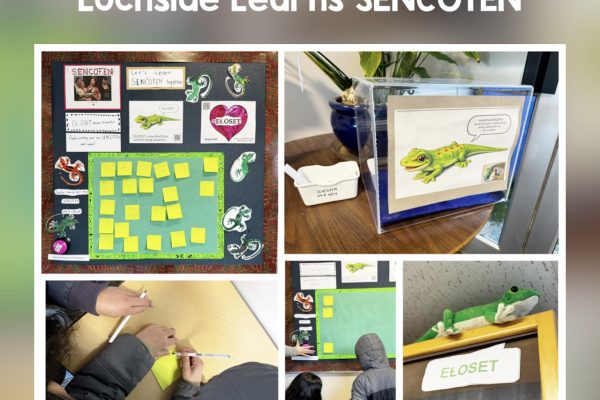
Through discussions grounded in the teachings and guiding questions presented in the text, students reflected on issues that mattered to them and explored ways to contribute meaningfully to their community. One outcome of this work was student involvement in selecting SENĆOŦEN words to feature as the school’s “Word of the Month.” To support school-wide engagement, students created an interactive learning opportunity in which community members searched for the school mascot, a lizard, displayed alongside the featured SENĆOŦEN word. This initiative invited students and staff to practise pronunciation, expand their vocabulary, and engage with local Indigenous language learning in an accessible and playful manner. The collaborative language revitalization platform First Voices served as a valuable resource for supporting accurate pronunciation and fostering confidence in learning and sharing SENĆOŦEN language.
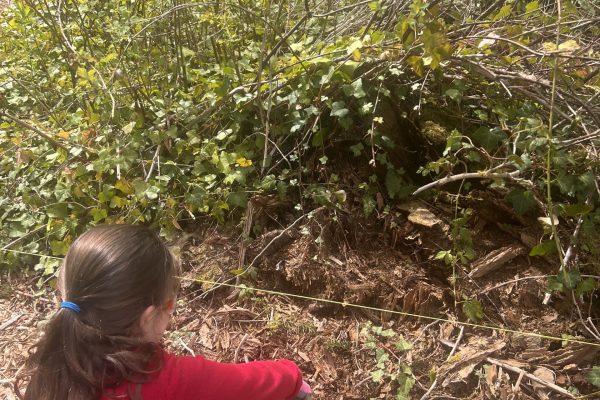
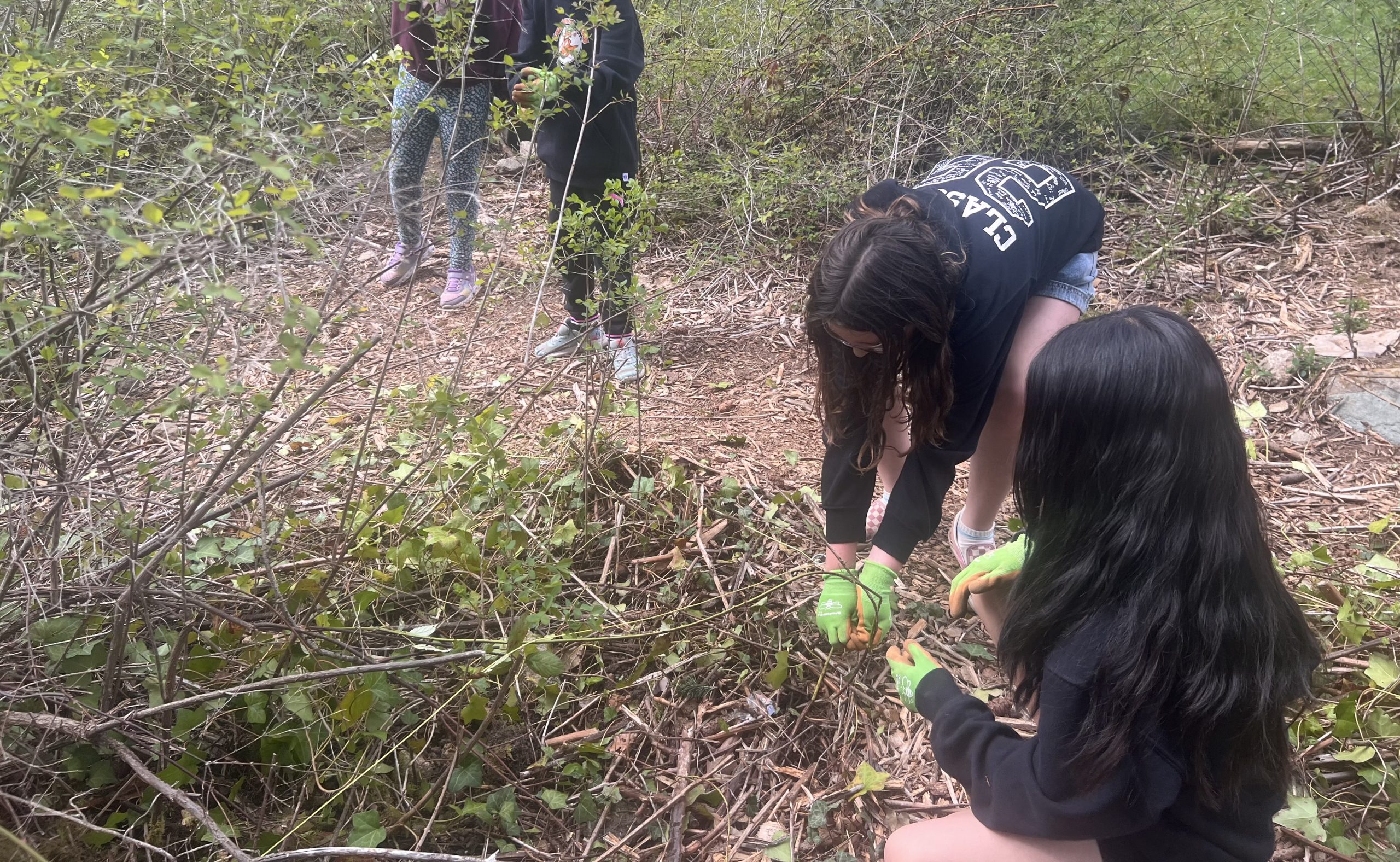
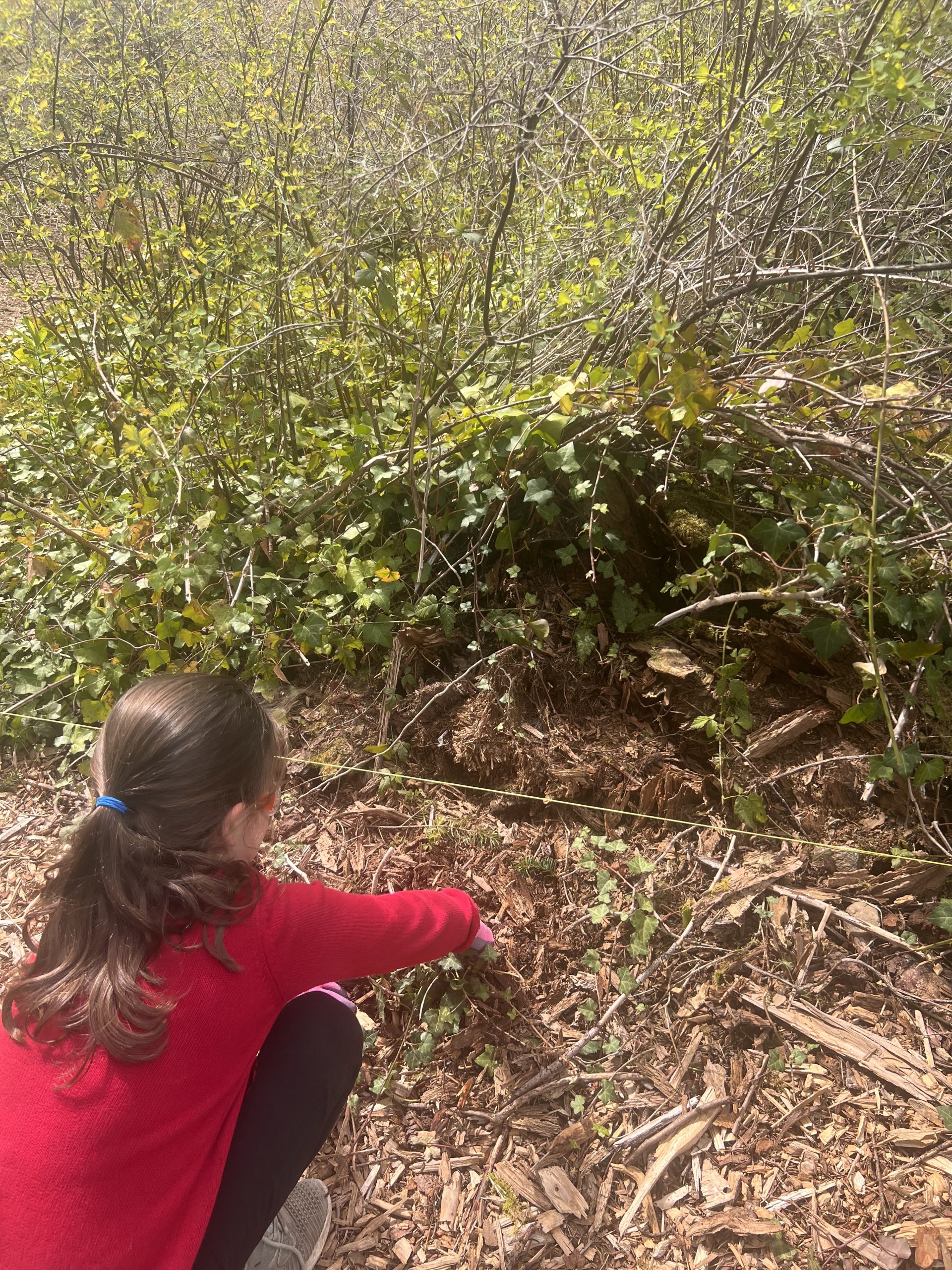
As the Be A Good Ancestor club evolved, students were encouraged to identify and pursue projects that reflected their personal interests and values. A significant focus emerged around the restoration of a local outdoor learning space known as “Beyond the Fence,” a frequently visited site for place-based learning that is home to a variety of Indigenous plant species. Students demonstrated a strong sense of ownership and commitment as they worked to remove invasive English ivy from the area. This restoration project provided opportunities to develop environmental literacy, deepen connections to place, and engage in meaningful stewardship practices.
Students documented their learning through research on invasive species and shared their findings at a district Climate Change Makers event. Presenting their work to the community allowed them to become educators, while also learning from peers across the district who were engaged in initiatives such as solar energy projects and composting programs. This experience highlighted the reciprocal nature of learning and reinforced the importance of student voice and environmental responsibility.

Checking: As we continue this work, it remains essential that we strengthen our relationships with the W̱SÁNEĆ community and seek ongoing guidance to ensure that our learning and teaching practices are respectful, authentic, and responsive to local Indigenous knowledge and perspectives. Looking ahead, learning alongside educators at the W̱SÁNEĆ Tribal School and observing classroom practices at ȽÁU, WELṈEW̱ have been identified as important next steps in our professional growth. These opportunities will support our understanding of effective approaches to culturally grounded pedagogy, helping to strengthen our practice as we move into the fall of 2026.
We also continue to aim to expand the school’s access to local stories and to create intentional learning opportunities for students to engage with and share these narratives in play-based, experiential ways. In doing so, learners are encouraged not only to receive stories but also to take on the role of storytellers themselves, deepening their understanding through oral language and collaborative play. This approach supports more inclusive and accessible entry points to learning while fostering imagination and connection to place and community.
Reflections/Advice: One of the key learnings from this inquiry has been the importance of remaining responsive to emerging opportunities. While our initial goals at the beginning of the year were well intentioned, they evolved significantly as students demonstrated a strong commitment to contributing positively to their community. Their enthusiasm, sense of responsibility, and desire to be “good ancestors” became a driving force in shaping the direction of our learning. By listening to and valuing student voice, we were able to pursue authentic learning experiences that reflected both student interests and community needs. Through participation in activities that invited students to reflect on their strengths, passions, and the needs of the broader community, members of the Be a Good Ancestor Club identified meaningful ways to contribute to environmental stewardship and community awareness. As a result of this process, students expressed a desire to continue their work by creating literature, artwork, and poetry inspired by a local nature space known as “Beyond the Fence.” Their goal is to develop resources that inform, educate, and inspire future students to appreciate and care for this important outdoor learning environment.
These new student directives highlight the power of student agency in shaping meaningful learning experiences. It also reinforces the value of place-based learning, where students see themselves as active contributors to their environment. Moving forward, supporting students in sharing their knowledge and creativity through multiple forms of literary expression offers an opportunity to deepen connections to place.
Case Study References:
– First Nations Education Steering Committee. (2014). First Peoples principles of learning [Poster]. First Nations Education Steering Committee (FNESC)
– OECD (2017), The OECD Handbook for Innovative Learning Environments, OECD Publishing, Paris.
https://doi.org/10.1787/9789264277274-en