Mia Moutray
Nechako Valley Secondary School
(SD 91 – Nechako Lakes)

Middle Grades Educator (Grade 8), Network leader, Immigrant from Sweden, SD91 Ab Ed Teacher Lead, Yogi, Gardener, and Outdoor enthusiast.
I am curious about so many things, especially how to support a joyful, curious and collaborative climate at our school and in our district. I am also passionate about equity and how to more thoroughly bring in/out learners’ voices and use their feedback to build constructive youth adult partnerships to improve learning and belonging for all. Lastly, an ongoing personal and professional passion is to embed place- and land-based learning in all that I do for all learners to have a strong sense of belonging. The spiral of inquiry is now a mindset for me, a way of being and learning. I am deeply grateful for the network support and inspiration!
Nechako Valley Secondary School, Vanderhoof, BC, Saik’uz Traditional Territory, SD91
Twitter: Mia Moutray @MiaMoutray
Twitter: School District 91 – @sd91bc


 We are curious about shifting culture for student wellness and engagement with land-based pedagogy. The Spiral of Inquiry continues to guide our work and reminds us to slow down and revisit our learnings.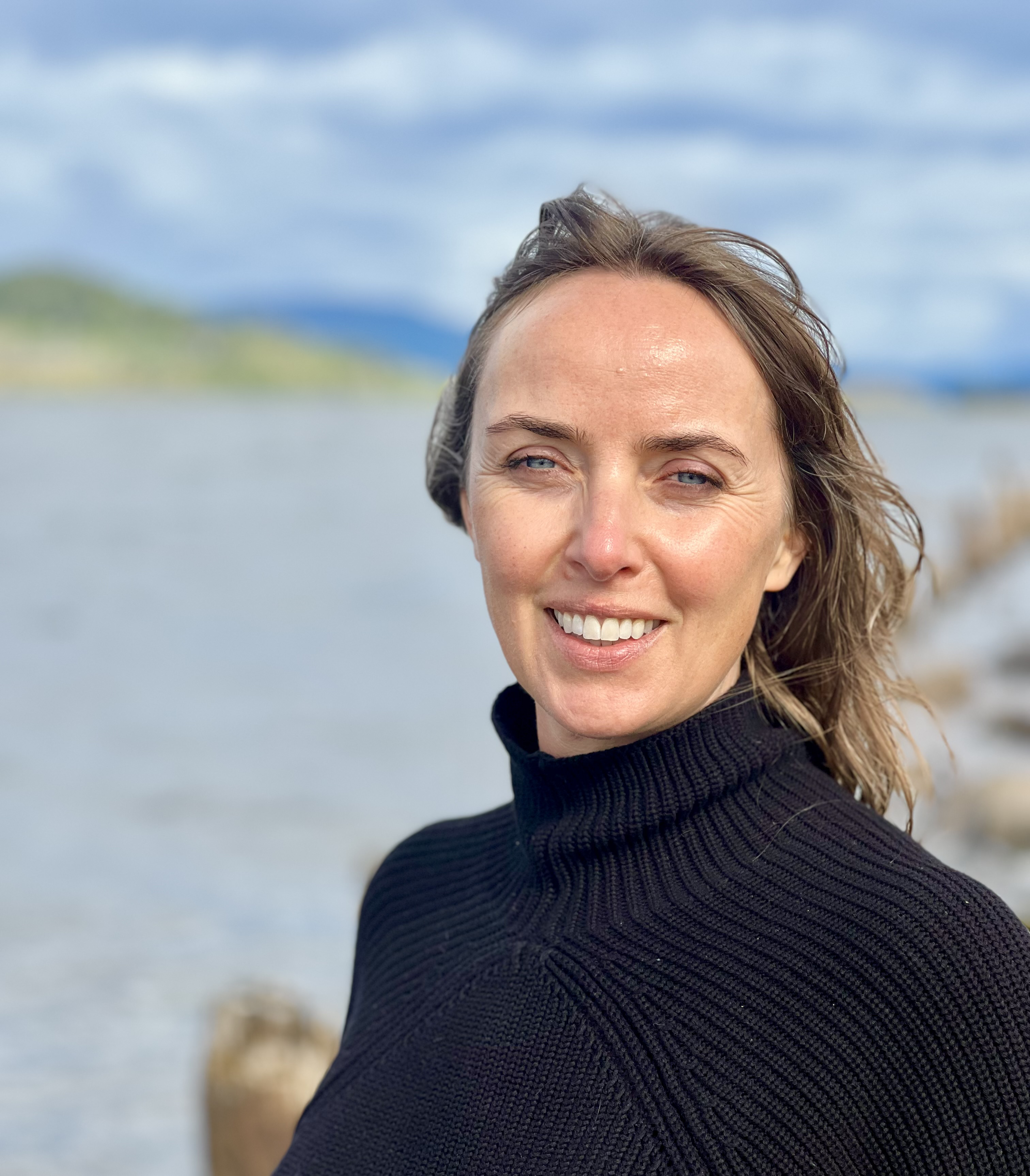



 During this session Jana (SD 54) and Lori (SD 52)
 How to move from integrating to indigenizing? On our journey, the spirals guided us to actively listen to our learners and families to make sure they felt safe and connected to their school. This helped us shape a new identity and build a school of choice and not a place students felt they were sentenced to. Our new identity was focussed on building belonging and making the first peoples principles of learning, more than just a poster on the classroom wall. We continue to learn how to build sustainable programs to best support our community.



 I am curious about everything! I embrace all the varied experiences that come from working in schools and the growth that comes from being vulnerable and open to new experiences. My work with the Spiral of Inquiry afforded opportunities to think outside the box, collaborate with colleagues and innovate my practice explicitly through lenses of Indigenous World Views and First Peoples Principles of Learning.)
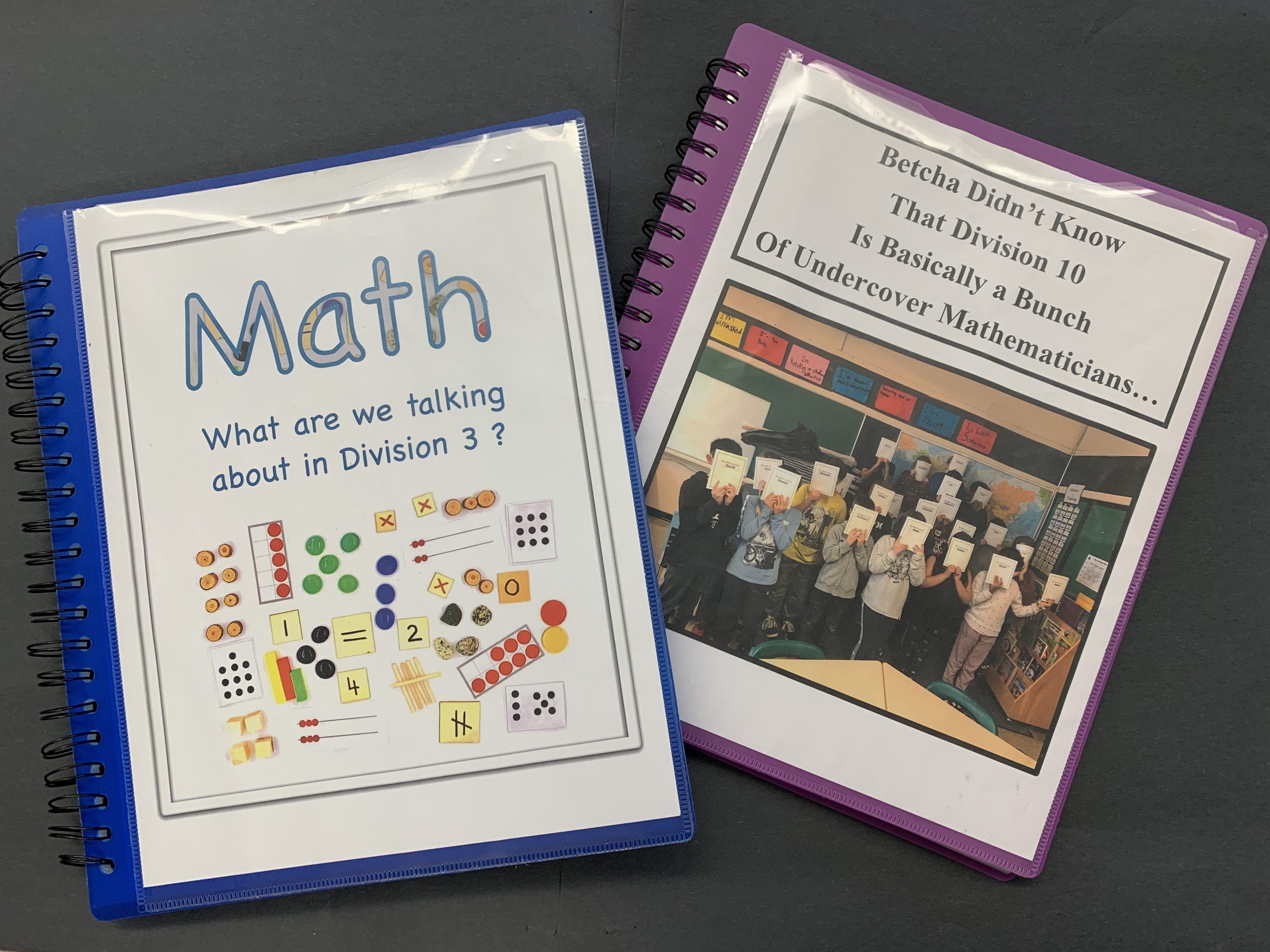
 Randerson Ridge Elementary has been involved in a continual inquiry project over the years (not including this year), with a focus on growing the knowledge of mathematical instruction/assessment. I will share our experience and findings from the 2020-21 inquiry (year 3), where our goal was to find new strategies to meet the diverse range of abilities in our classes and provide learning opportunities for students to practice concepts, deepen understanding and engage in higher level mathematical discussions. I consistently reflect on my practice and look for the impact (results in data and engagement), continually working on creating hands-on learning experiences for my students for deeper learning of math concepts.
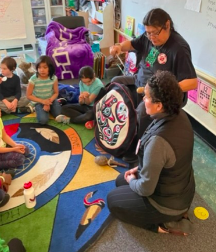
 Southlands Elementary is the catchment school for the Musqueam Indian Reserve in Vancouver. We will share some of the challenges, opportunities and successes we have experienced over the past three years. One team of teachers has been working together on an inquiry into how to engage all students in learning about Indigenous ways of knowing, being, land-based education, drum-making, language and culture, and ways of engaging the different departments at Musqueam.
 My journey exploring the Spiral of Inquiry began with the curiosity of incorporating the First Peoples Principles of Learning (FPPL) in all areas of the curriculum, with a focus on mathematics. How can hands-on experiences stimulate and promote student engagement? The six parts of the Spiral of Inquiry — scanning, focusing, developing a hunch, new learning, taking action and checking — guided my inquiry, allowed me to take risks in my learning and maintain open communication with my fellow teachers and students. Our focus on the connection between FPPL and math was explored through beading. We were able to learn more about patterns, materials the beads are made of, and our connection to the place we live and learn about beading regalia and/or pow wow celebrations.
 When students returned to school in September, 2020, we worried about how they were feeling about being back at school. Most had not been in the building since spring break the previous year! We used a Spiral of Inquiry to unpack what was going on for students and thought about what we could do to make things better. Students told us they were anxious and and afraid of getting sick with COVID so we set our sights on
  At Stride, we are entering our third year of our Indigenous Inquiry – “What can local Indigenous stories teach us about self-regulation?”

 Michelle Iacobucci will be joined by two teachers from Lindsay Park: Doreen Sharpe and Corissa Pasiechnyk. These two teachers have agreed and are excited about participating in the Network’s first mini-sessions. Both classroom teachers are passionate about place-based learning. Their focus this year is about how place-based learning can support all curricular areas, as well as have positive impacts on their learners’ social and emotional wellbeing.
 Nicole Davey will be joined by Julie Krall, principal from Smithers Secondary, who will share the work their grade 8 team has been doing around student centered transition. During the spring, the Smithers Secondary School grade 8 team reflected deeply on the needs of the incoming grade 8s, using the three big picture questions as a guide: What is going on for our learners? How do we know? Why does it matter? After their discussions, they became curious: Would creating a grade 8 class based on connection and place-based learning impact students’ sense of belonging? Julie Krall, the principal, will share where they are at in their journey.