
I. General Information
School Name: Lochdale Community School
School District: SD#41 Burnaby
Inquiry Team Members: Natalie Moor: natalie.moor@burnabyschools.ca
Shazyah Juma: Shahzyah.Juma@burnabyschools.ca
Inquiry Team Contact Email: natalie.moor@burnabyschools.ca
II. Inquiry Project Information
Type of Inquiry: NOIIE Case Study
Grade Levels Addressed Through Inquiry: Primary (K-3), Intermediate (4-7)
Curricular Areas Addressed: Applied Design, skills & Technology, Arts Education, Language Arts – Oral Language
Focus Addressed: Local Indigenous Knowledges, Land, Nature or Place-based learning
In one sentence, what was your focus for the year? Learning the teachings of the land through art, story, and community.
III. Spirals of Inquiry Details
Scanning: Our scanning process was grounded in the First Peoples Principles of Learning, recognizing that learning is relational, connected to place, and embedded in story, community, and shared responsibility. Rather than focusing solely on the finished mural, we intentionally centered students’ identities, voices, and relationships with one another and the land. We also drew upon the OECD Principles of Learning by creating learner-centred experiences that valued student agency, collaboration, emotional well-being, and authentic participation. The mural became more than an art project—it became a shared experience that strengthened belonging, cultivated leadership, and deepened students’ connection to place and community.
Listening to our learners revealed that students flourished when they felt genuinely seen, included, and entrusted with meaningful responsibilities. As the project evolved, we observed growing enthusiasm, confidence, and pride. Students eagerly anticipated mural sessions and became deeply invested in both the creative process and the story it represented. Many shared how meaningful it was to work alongside other Indigenous students, to contribute to something larger than themselves, and to be invited to lead and share their knowledge with the broader school community. They expressed pride in having something that was “theirs” to offer others.
We also witnessed the importance of relationships extending beyond the classroom. Families enthusiastically participated in community art sessions, and teachers noted increased engagement as students continued their learning through related classroom projects. The project fostered new connections among students, families, educators, and community members, reinforcing that learning is most powerful when it is collaborative and rooted in authentic relationships.
Focus: We selected this area because we recognized an opportunity to strengthen students’ sense of belonging while making learning more deeply connected to place, community, and Indigenous ways of knowing. The mural became a catalyst for inspiring a school culture where place-based learning is visible, valued, and woven into everyday learning experiences.
We wanted to spark curiosity and engagement across the entire school community, encouraging staff, families, and learners to see the land as teacher and community as an essential part of education. The project has since inspired a school-wide Indigenous Education plan, creating ongoing opportunities for place-based learning and ensuring the mural continues to serve as a living resource that invites reflection, conversation, and continued learning for years to come.
Hunch: Our hunch was that our school community was ready to deepen its commitment to place-based and Indigenous learning through a shared, authentic project. We believed that with supportive leadership, enthusiastic staff, engaged families, and strong community partnerships, the conditions were in place to move beyond isolated learning experiences toward something that would become part of the school’s culture.
We also believed that when students are given meaningful roles, opportunities to contribute, and learning experiences rooted in relationship and place, they develop a stronger sense of belonging, pride, and responsibility. We anticipated that a collaborative mural project would not only engage the students directly involved, but also inspire wider participation, strengthen community connections, and create lasting opportunities for learning across the school.
New Professional Learning: This project deepened our professional learning in several important ways. We explored local Indigenous protocols, cultural teachings, and the significance of creating learning experiences that are grounded in relationship, reciprocity, and place. Direct conversations with Elders, Knowledge Keepers, and Indigenous community members were the most valuable source of learning, providing guidance that could not be gained through written resources alone. These relationships helped ensure the project was approached with respect, authenticity, and local relevance.
To support our colleagues, we designed and facilitated professional learning sessions that introduced the vision and purpose of the mural while building understanding of local histories, place-based learning, and Indigenous pedagogies. We also developed classroom resources, lesson ideas, and reflective prompts that enabled teachers to extend the learning beyond the mural project and integrate it into ongoing classroom practice. By combining collaborative professional learning with practical, ready-to-use resources, we aimed to build staff confidence and create sustainable opportunities for continued learning across the school.
Taking Action: Our team intentionally built the project through relationships and collaboration. We began by identifying key staff members who were enthusiastic about place-based and Indigenous learning and invited them to help co-design and extend the learning within their classrooms. Regular communication with school administration and the community office ensured the project remained grounded in community collaboration, local protocols, and shared decision-making.
The learning unfolded through a series of interconnected experiences rather than a single event. Students participated in classroom learning, storytelling, art-making, and collaborative mural sessions, while families and community members were invited to contribute through shared art experiences. We intentionally documented the process through photography, video, student reflections, and audio recordings, sharing these throughout the project to celebrate learning, maintain momentum, and inspire broader participation across the school.
To support sustainability, we offered professional learning for staff and developed classroom resources that enabled teachers to continue exploring the themes of place, relationship, and Indigenous perspectives long after the mural was completed. By intentionally centering relationships, communication, documentation, and shared ownership, the project became a catalyst for ongoing learning across the entire school community.
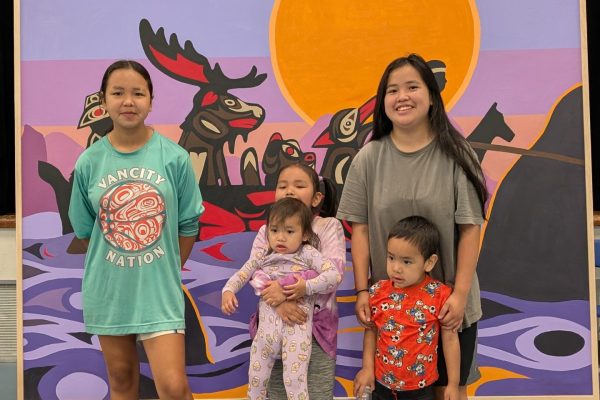
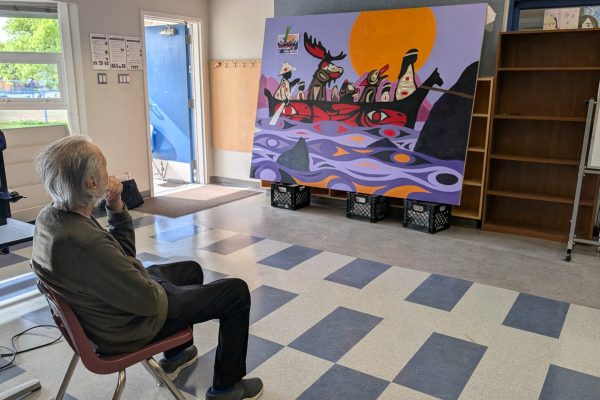

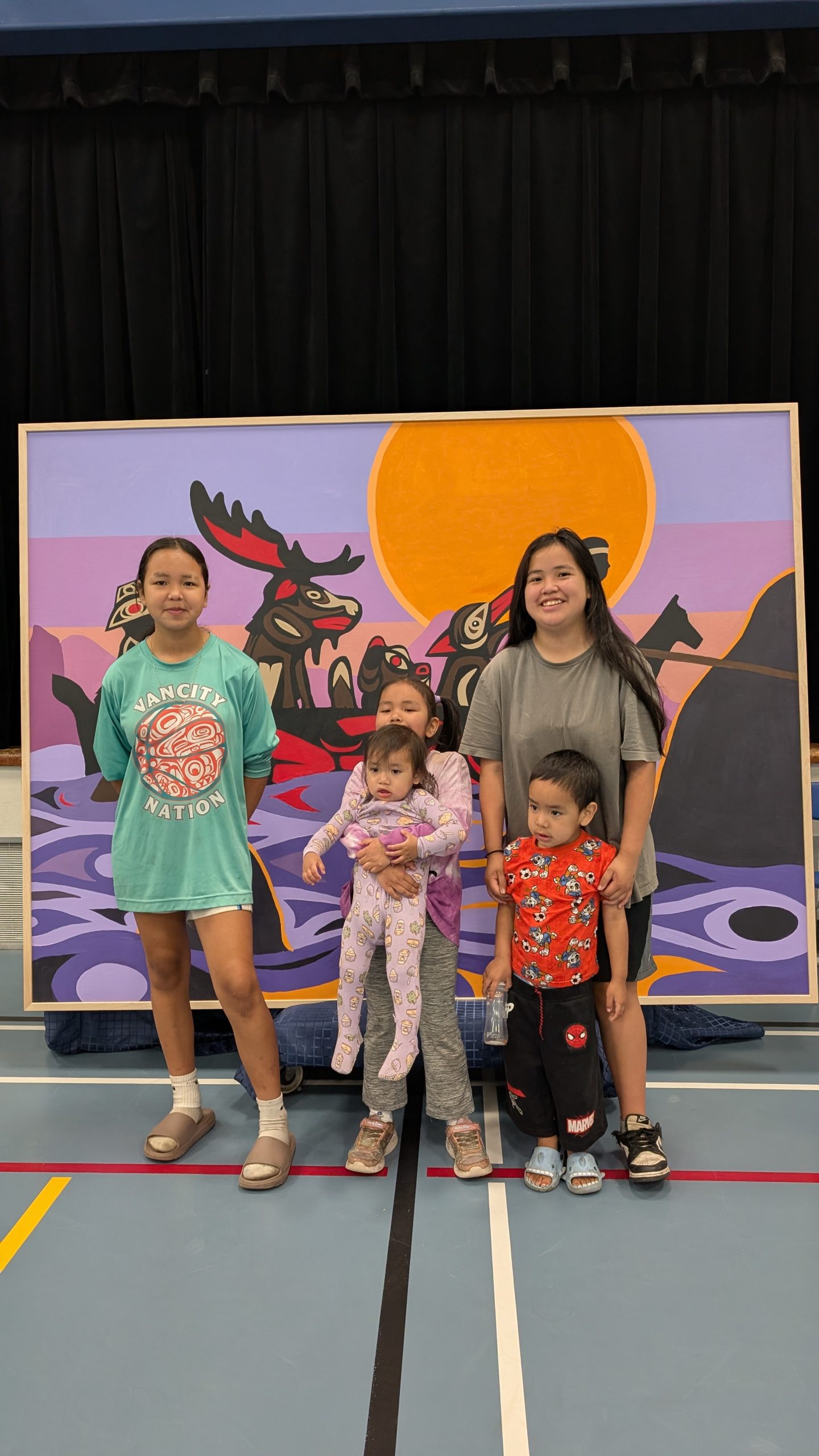


Checking: We believe the project made a meaningful difference by strengthening relationships, increasing student engagement, and inspiring a shared commitment to place-based and Indigenous learning across the school community. Evidence of this change came through student voice, teacher observations, family participation, and the enthusiastic response from the broader school community. Students demonstrated increased pride and confidence as they shared the mural’s story, answered questions from their peers, and assumed leadership roles throughout the project. Teachers reported heightened excitement and engagement, with many extending the learning into their classrooms through related activities and discussions.
The response from families, staff, and community members reinforced that the project resonated far beyond the students directly involved. The mural became a catalyst for conversation, curiosity, and continued learning throughout the school.
While we are very encouraged by the impact, we also recognize that meaningful change is ongoing. Rather than viewing the mural as the culmination of our work, we see it as the beginning of a sustained commitment to building relationships, nurturing belonging, and embedding place-based and Indigenous learning into the life of our school.
Reflections/Advice: This inquiry reinforced that meaningful learning begins with relationships. When students, families, educators, and community members come together around a shared purpose, learning becomes authentic, joyful, and deeply connected to place. We learned that projects rooted in community collaboration have the power to strengthen belonging, build leadership, and inspire ongoing change across an entire school.
This work has also inspired the development of the school’s Indigenous Education Action Plan, which will guide our next steps in embedding place-based learning, Indigenous perspectives, and community partnerships throughout the school. We envision the mural becoming a living learning space—a place where stories continue to be shared, new generations of students gather, and learning grows over time. More than a piece of art, it stands as a visible commitment to reconciliation, relationship, and our collective responsibility to continue learning together.
Our advice to other schools is to begin with relationships. Take the time to listen to students, build genuine partnerships with local Indigenous communities, invite families(!), and trust the process. When learning is rooted in place, community, and shared purpose, the outcomes often extend far beyond what was originally imagined.