
I. General Information
School Name: George M. Murray Elementary School
School District: SD#74 Gold Trail
Inquiry Team Members: Jen Eddie – jeddie@sd74.bc.ca
Inquiry Team Contact Email: jeddie@sd74.bc.ca
II. Inquiry Project Information
Type of Inquiry: SRL Case Study
Grade Levels Addressed Through Inquiry: Intermediate (4-7)
Curricular Areas Addressed: Applied Design, skills & Technology, Language Arts – Oral Language, Language Arts – Writing, Science
Focus Addressed: Core competencies (for example, thinking, communication, personal and social), Land, Nature or Place-based learning, Self-regulation
In one sentence, what was your focus for the year? My focus was to engage my students in a project to educate and inform our community about climate change through the use of a long bike ride, theatre performance, and some social activism.
III. Spirals of Inquiry Details
Scanning: I thought deeply about how my students would be successful through what I designed for them this year. I knew I had students who were theatrical and others who were definitely not. I wanted them to connect to our place, and have a way of teaching our community about climate change that was engaging for each kid. Some connected more with the long bike ride (and training rides) while others were mostly focused on theatre.
I met with the students in June of the previous year, and then again at the beginning of this year to talk about what they found exciting. I then designed in the background trying to have both of those options met. I didn’t unveil phase two until we had learned about climate change in a series of anchor lessons.
I knew I had students who had some exceptionalities and tried to think of ways to include them. Some students chose to engage with the anchor lessons and built board games. These games helped educate the community in a different way, but were no less beautiful.
Focus: I wanted to go ‘with’ my students this year. I knew I had to hook them on a learning journey that we were all excited about (or at the very least, something they found meaningful). I was hoping to see this reflected in their attendance and excitement about our project.
Hunch: My hunch about my learners is that they needed to do something important and ‘big’. They were already part of a well developed school culture surrounding learning exhibitions and beautiful work. I wanted to design to their strengths and give them a lot of room to create something you cannot find in a book. Their skits and games were one of a kind and totally unique.
New Professional Learning: I had to lean heavily on a large group of mentors for the theatre performance. I did a lot of project turning with colleagues to make sure I wasn’t biting off more than I could chew.
Taking Action: I tried to chunk this project into three specific phases. Phase one was all about anchor lessons in small chunks. I felt the students needed to really KNOW what climate change was and why it was important. After this phase I unveiled the final two phases to them: theatre/board games, and the long ride. The theatre and board game section was aimed at putting on an event in our community to raise money to offset the impacts of climate change, and help raise money. The long ride (and overnight) was phase three and was aimed at showing our community that we can do hard things – and so can you! I think different phases helped the kids stay engaged and moving forwards. We spent a lot of time on the land in our community getting ready for our bike ride.

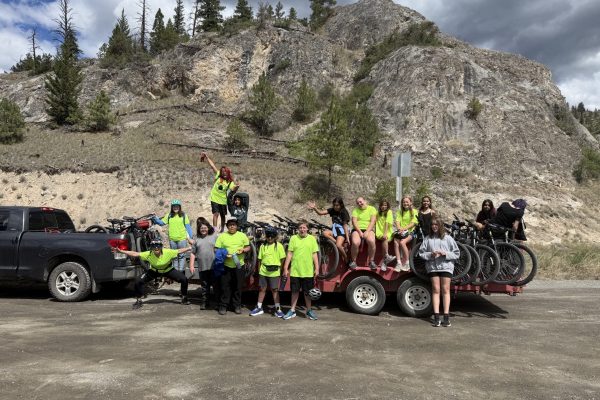
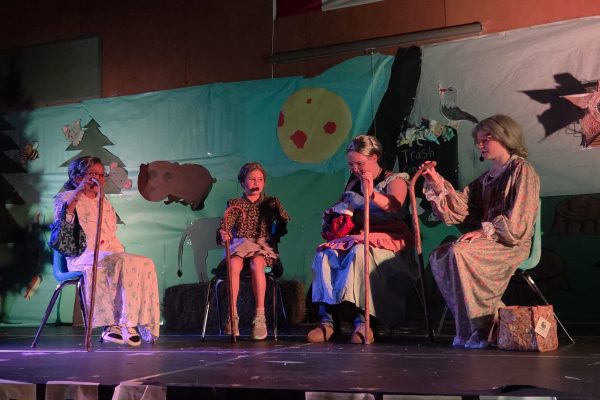
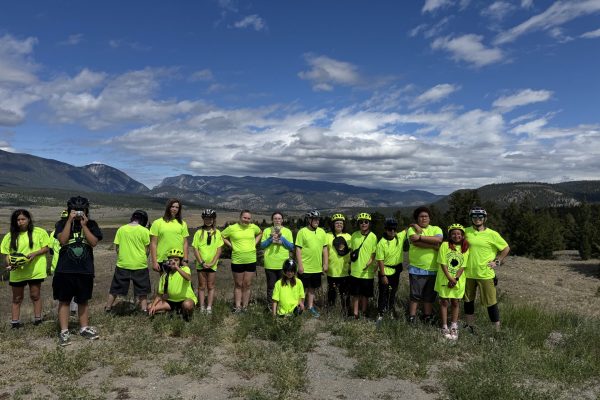
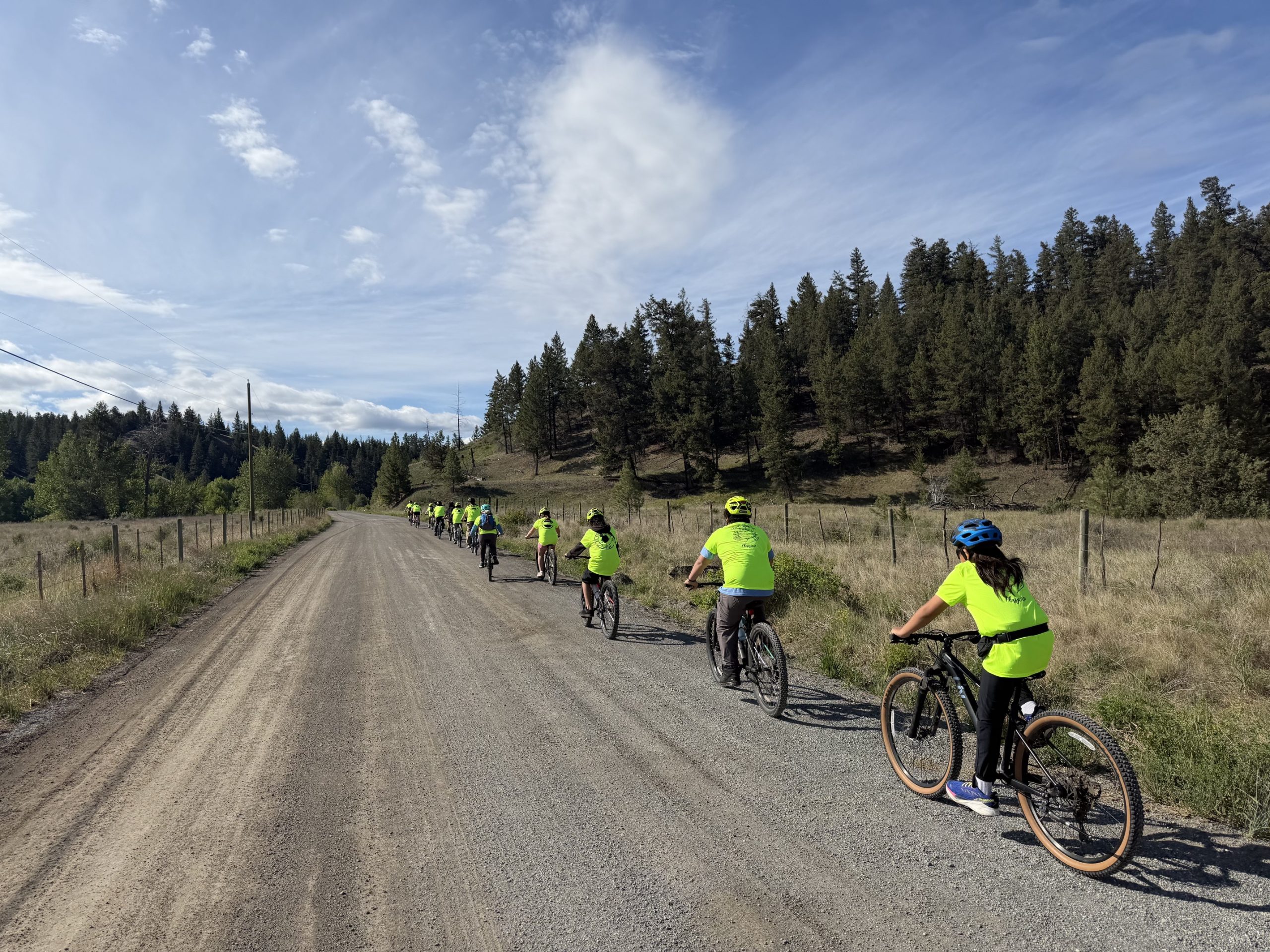
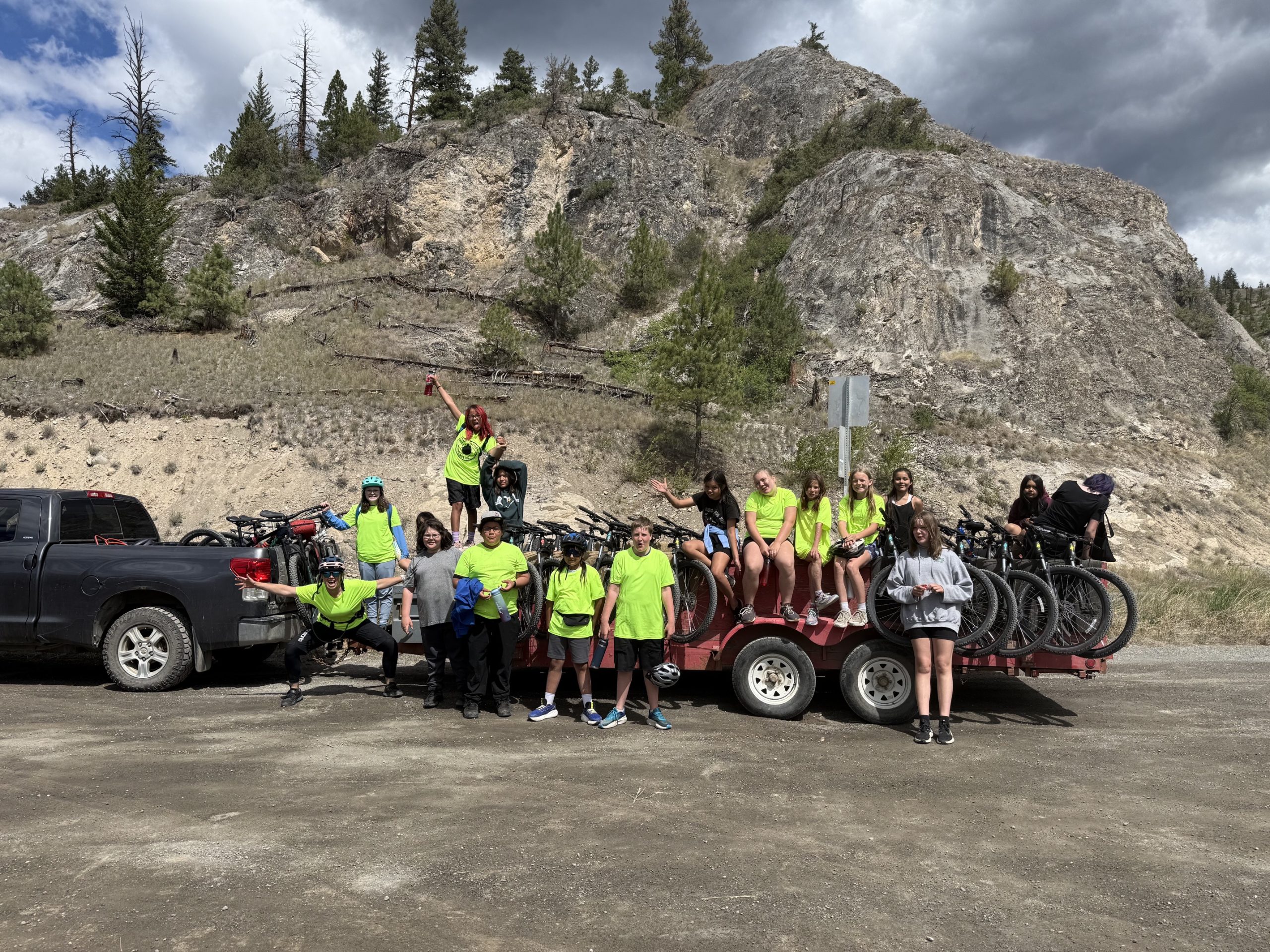
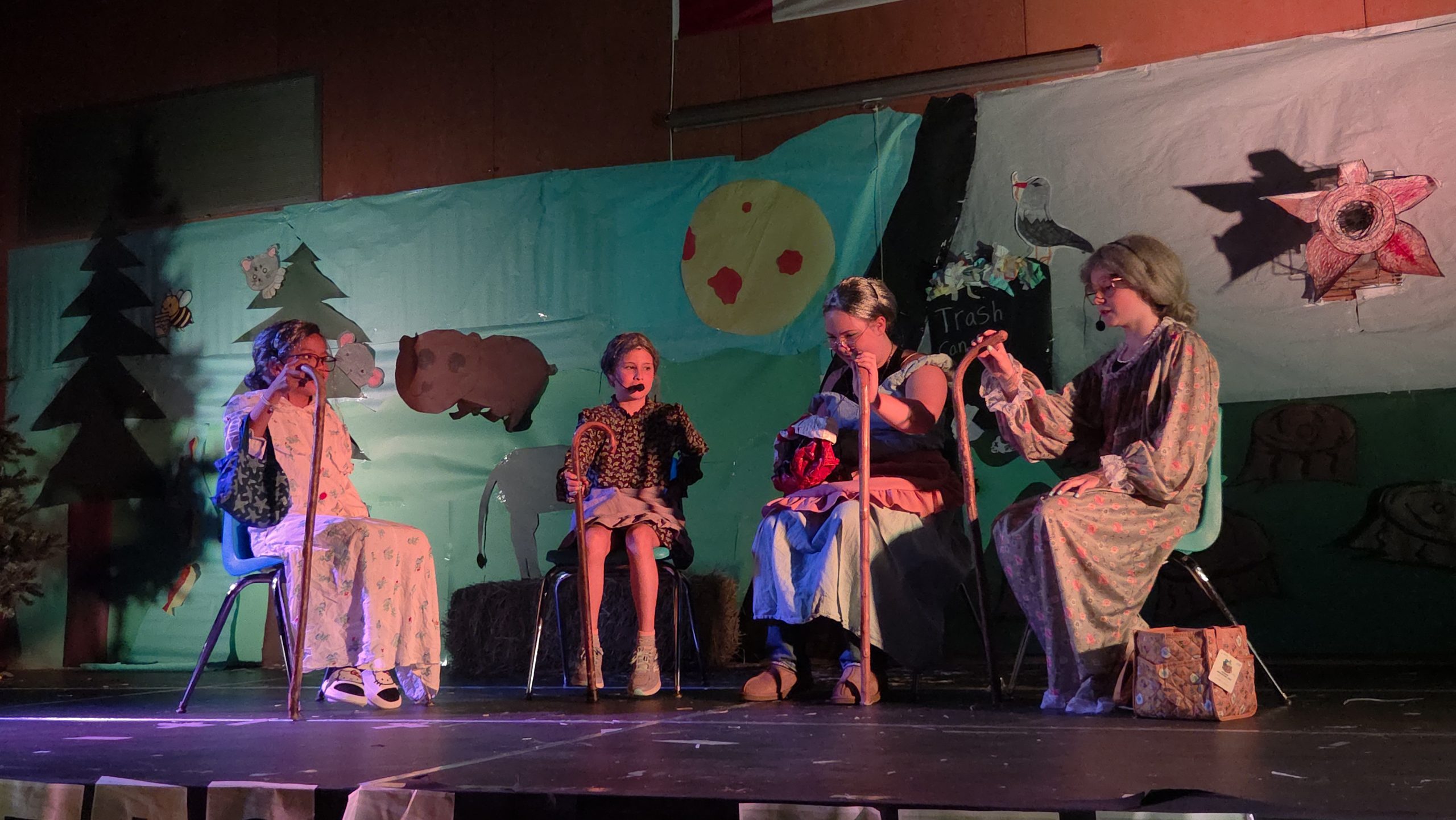
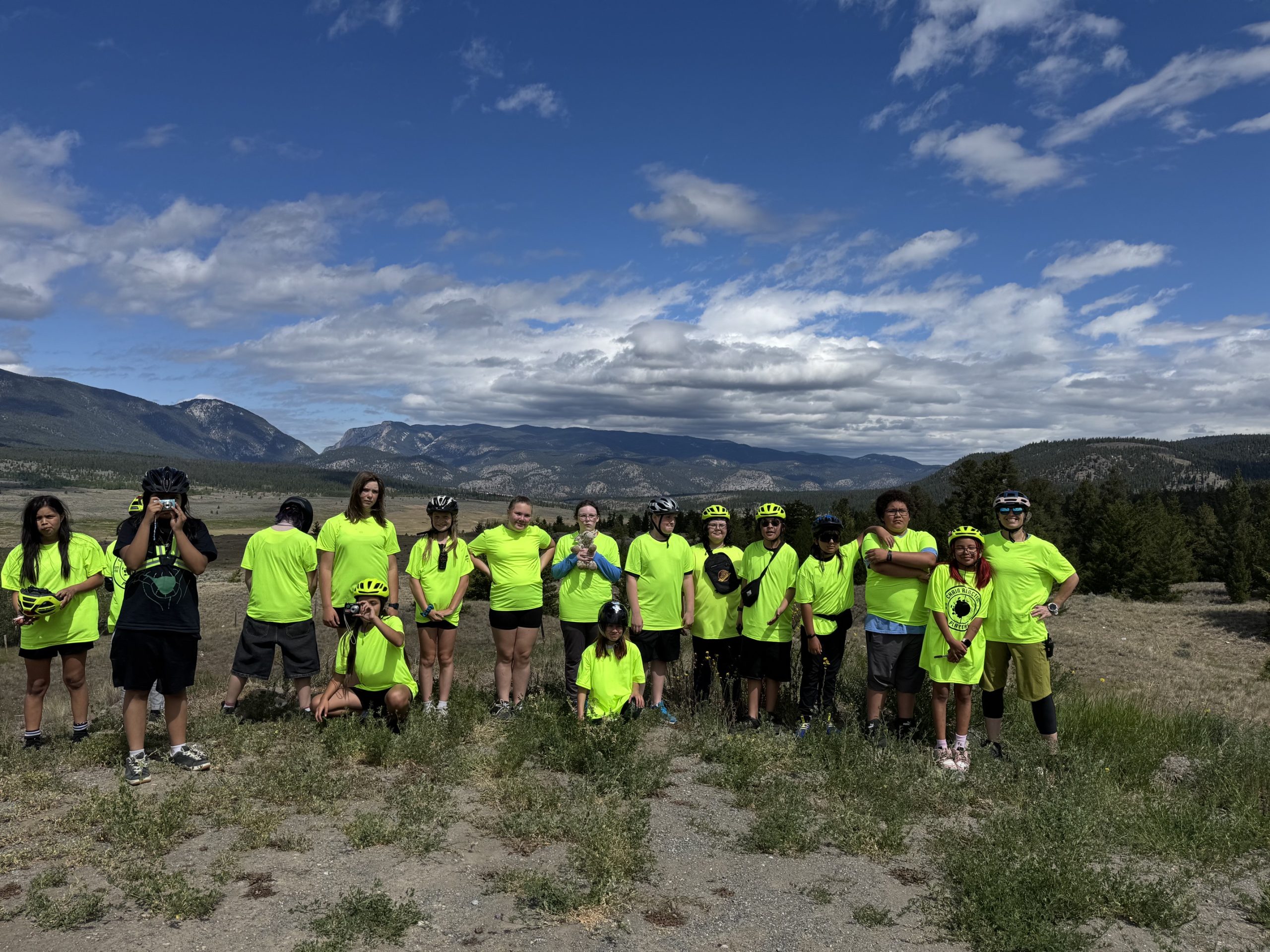
Here is a photo of one of the skits called “Where It All Began” about a bunch of old ladies who see the effects of climate change thanks to time travel. The other two photos are of the ride to raise awareness of climate change. Students are wearing their self-branded jerseys (The Chain Reaction Players) as they ride.
Checking: I hope I made enough of a difference. I saw every kid engaged with their part in the production night and stand as a group to take a bow. On the long ride the students continued to make new social connections across previously formed peer groups. The land, and the hard task, brought them together in a way that was amazing to see. Many of them were hesitant about the distance and explained ‘I did it! I’m so proud of myself’ at the end. In this age group I think that’s a huge win.
We later met with the CAO of Lillooet to discuss what to do with the 1500 dollars we had raised. The students explained what they had learned about climate change and collaborated with him to help allocate our money (and a 150,000 grant) to help our community offset climate change. During this visit to the District Office I mainly sat at the back and listened to all they had learned. It was amazing.
Reflections/Advice: I am always blown away by what kids can come up with when we give them more challenge and design with them in mind. The project tuning protocol allowed me to continue to fine tune as I ran into hiccups. Anytime we can weave learning into the land and give students a real-life audience is a slam dunk.