
I. General Information
School Name: Port Guichon
School District: SD#37 Delta
Inquiry Team Members: Anita Grannary: agrannary@deltalearns.ca
Lauren Hutton: lhutton@deltalearns.ca
Inquiry Team Contact Email: agrannary@deltalearns.ca
II. Inquiry Project Information
Type of Inquiry: NOIIE Case Study
Grade Levels Addressed Through Inquiry: Primary (K-3), Intermediate (4-7)
Curricular Areas Addressed: Applied Design, skills & Technology, Career Education
Focus Addressed: Core competencies (for example, thinking, communication, personal and social), Land, Nature or Place-based learning, Self-regulation
In one sentence, what was your focus for the year? Our focus for the year was to expand hands-on, ADST-based learning opportunities across the curriculum to increase student engagement, resilience, and problem-solving through authentic “learning by doing.”
III. Spirals of Inquiry Details
Scanning: Our scanning process drew on the Student Engagement Survey, student interviews, classroom observations, and self-reflections. Guided by the two key questions (“What are you learning?” and “Why is it important?”), we centered student voice, place-based learning, and social-emotional dimensions in alignment with the OECD and First Peoples Principles of Learning.
Key Insights Learned:
Hands-on Learning Wins: Students are most engaged during active learning (highlights included Makerspace, Genius Hour, carpentry, cooking, sewing, and outdoor education).
The Engagement Gap: While 97% of students reported interest in at least one area, engagement was inconsistent for those facing stress or mental health challenges.
Through listening to student voice, it was confirmed that regular Makerspace use directly fosters persistence, problem-solving, and school-wide collaboration.
Focus: We focused on expanding ADST integration across the curriculum to increase student engagement, resilience, and problem-solving through authentic, hands-on learning. By embedding “learning by doing” opportunities—such as Makerspace, STEAM challenges, and Genius Hour—we aimed to strengthen both academic growth and social-emotional well-being, ensuring all learners develop the confidence to navigate challenges.
Hunch: We believed that reduced opportunities for collaborative, hands-on learning negatively affected student engagement and well-being. Our hunch was that intentionally integrating ADST through a school Makerspace would directly counteract this trend, boosting learner resilience, persistence, and joy.
New Professional Learning: We focused our professional capacity building on the design and sustainability of a school-wide Makerspace through the following actions:
- Collaborative Networks & Community: We learned alongside peer schools running parallel inquiries and invited community experts (such as sewing specialists) to enrich our classroom practices.
- Colleague Support & Collaboration: We utilized monthly staff meetings to share actionable ADST strategies, collaborate on cross-curricular integration, and collectively gather specialized tools and resources.
- Intentional & Aligned Design: We deeply reflected on how “making” bridges academic progress and social-emotional well-being, allowing us to purposefully align our learning opportunities with the First Peoples Principles of Learning.
Taking Action: We executed our inquiry through three main action areas:
- Curricular & Environmental Expansion: We extended project-based and place-based learning through outdoor and garden initiatives. We also diversified our hands-on offerings to include coding, cooking, textiles, and cross-curricular STEAM challenges.
- Makerspace & Culture Building: We scaled up our school Makerspace and extended its reach via a new extracurricular Maker Club. Within this space, we intentionally coached students through the “Try–Learn–Fail” cycle and utilized growth mindset strategies to foster resilience.
- Community & Staff Collaboration: We partnered with community members to bring traditional and modern skillsets directly to our learners. To sustain this work, teachers used dedicated staff collaboration time to pool resources and align ADST planning.


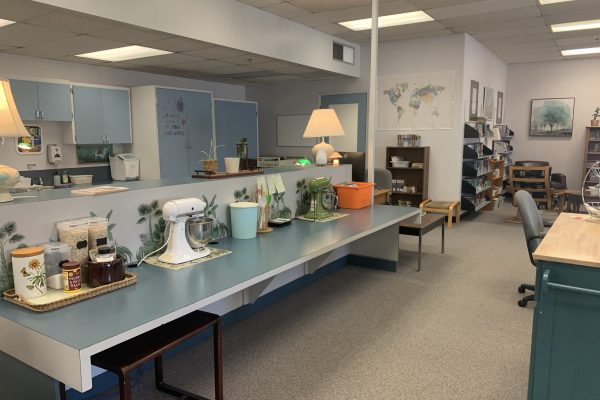
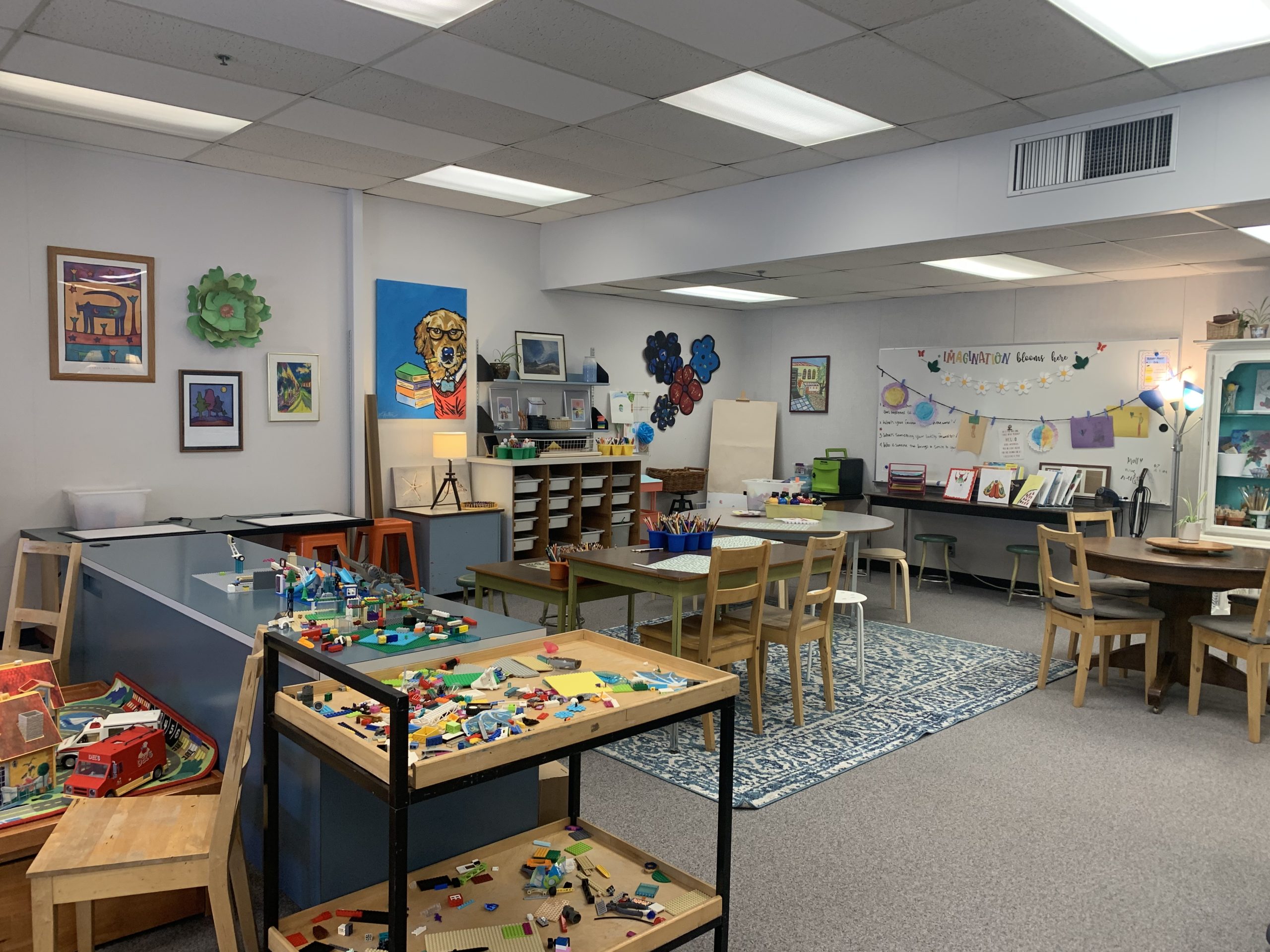
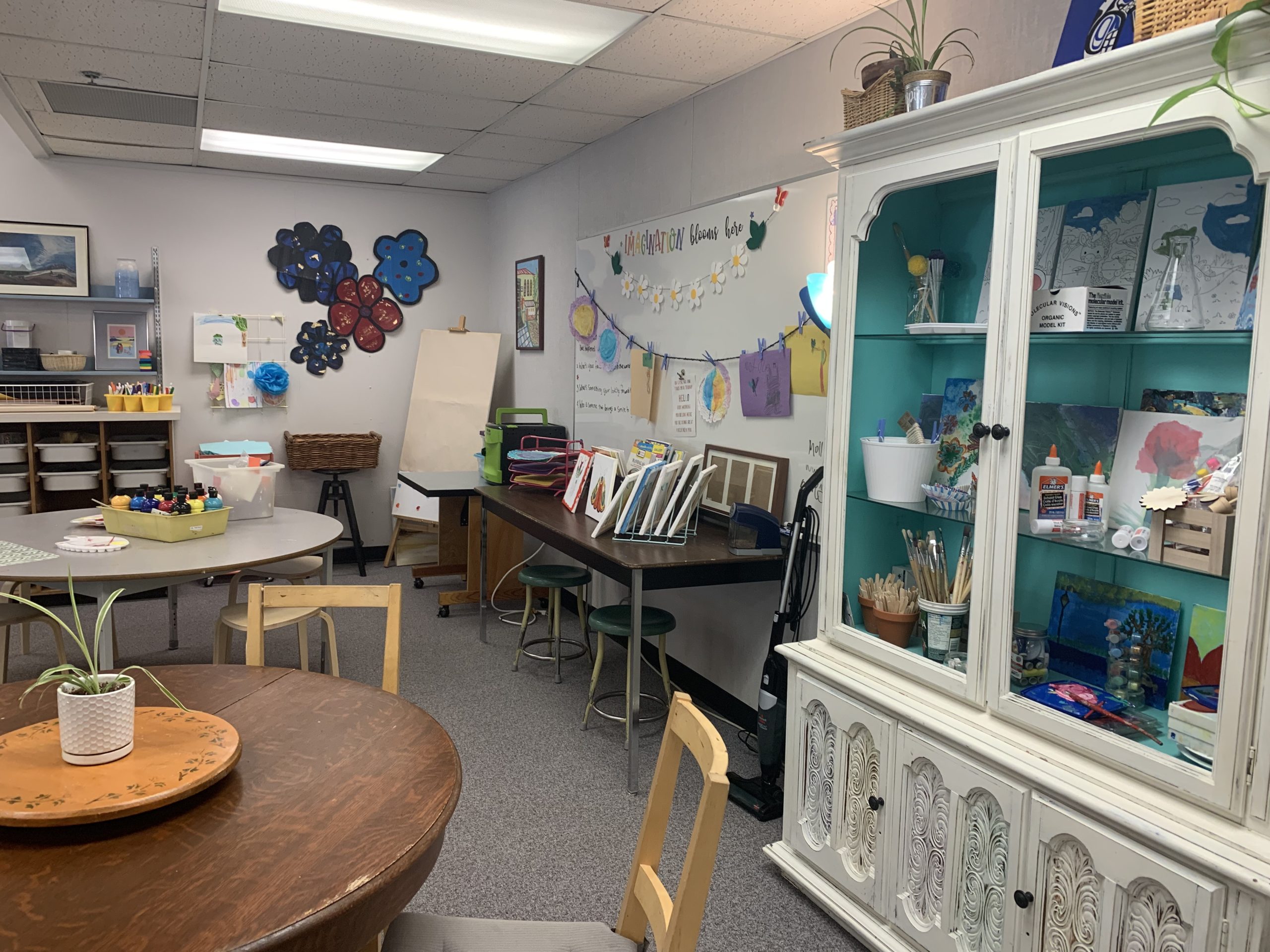
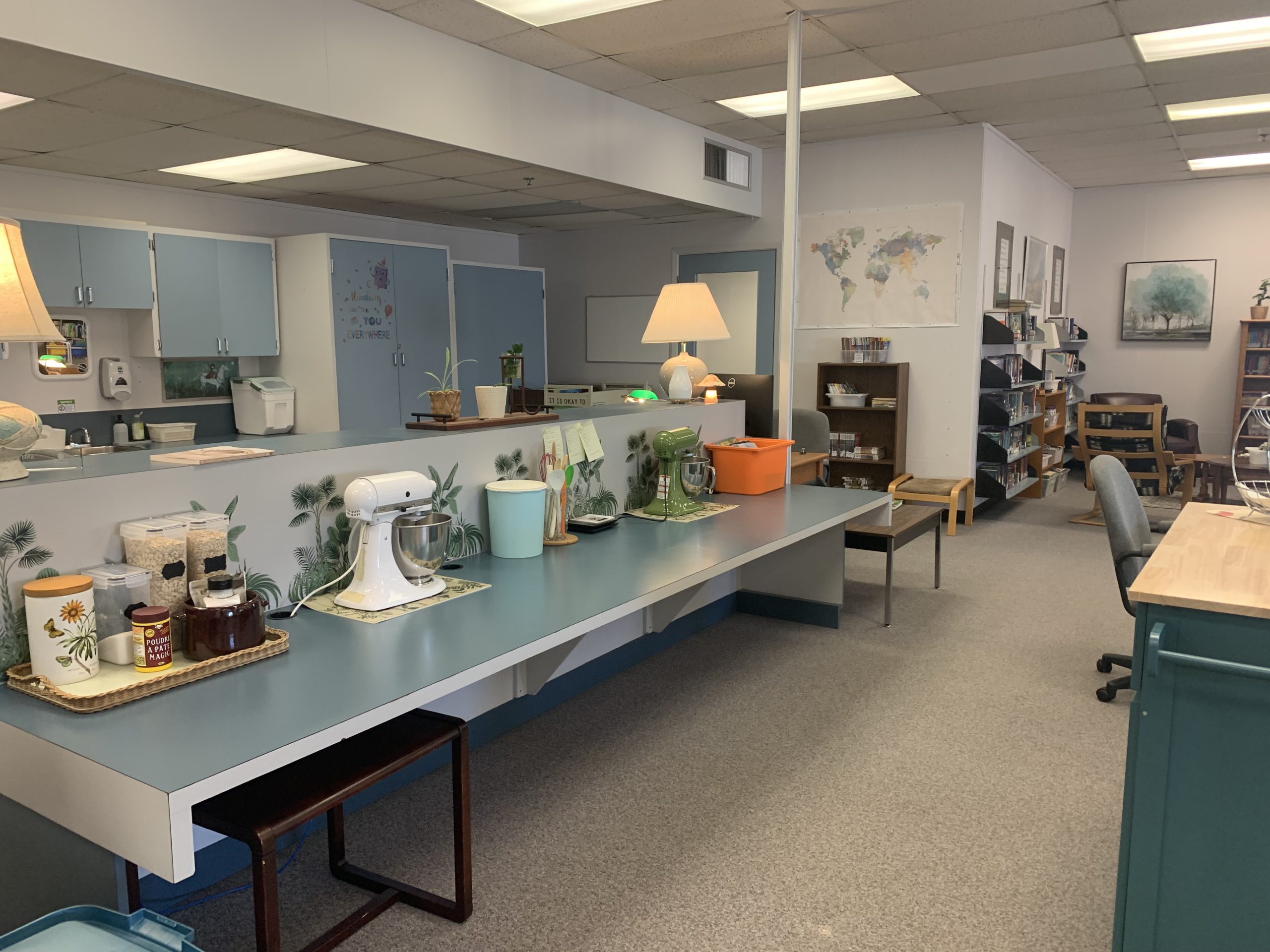
Checking: To evaluate our impact, we combined student interviews, self-reflections, and classroom observations. Our data showed that students developed a strong interest in at least one learning area and felt comfortable seeking help from peers or adults. Direct observations revealed a distinct rise in learner resilience, with students embracing the “Try–Learn–Fail” cycle, maintaining focus on long-term projects, and using growth mindset language. In interviews, students voiced immense pride in their problem-solving milestones and peer mentoring.
Furthermore, staff reported a more collaborative professional culture and deeper cross-curricular ADST integration. While we are thoroughly satisfied with these gains in engagement and resilience, persistent mental health challenges among some learners remind us that engagement is only one piece of a comprehensive well-being framework.
Reflections/Advice: Our primary takeaway is that student engagement thrives when learning is active, collaborative, and place-based. Dedicated Makerspace work accelerated cross-curricular ADST integration and nurtured a resilient “Maker Mindset” across all grade levels. Our next steps are to expand the Makerspace as a core hub for innovation and SEL, deepen community-expert partnerships, and further embed the First Peoples Principles of Learning through place-based projects, while scaling student-directed opportunities like Genius Hour and Maker Club. Our advice to peer schools is to start small but stay consistent: remember that ADST is not about the technology itself, but about cultivating resilience, teamwork, and joy in learning.