
I. General Information
School Name: Wowk Elementary School
School District: SD#38 Richmond
Inquiry Team Members: Joy Huang: joyhuang@sd38.bc.ca
Lisa Jeronimo: ljeronimo@sd38.bc.ca
Erica Ngan: engan@sd38.bc.ca
Inquiry Team Contact Email: apchan@sd38.bc.ca
II. Inquiry Project Information
Type of Inquiry: Nature Schools Network Case Study
Grade Levels Addressed Through Inquiry: Primary (K-3), Intermediate (4-7)
Curricular Areas Addressed: Arts Education, Language Arts – Literacy, Language Arts – Oral Language, Language Arts – Reading, Language Arts – Writing, Science
Focus Addressed: Land, Nature or Place-based learning
In one sentence, what was your focus for the year? Deepening relationship with land through interconnected learning experiences.
III. Spirals of Inquiry Details
Scanning: Questions asked: What does nature teach us? Why is it important? How do we know?
Other sources of data: fall literacy assessment, anecdotal observations and conversations during outdoor learning time
Focus: Students are naturally curious about nature, and we wonder how deepening our relationship to land can support student learning in all areas, including their capacities to connect, question, infer, and make intentional decisions. When we think about the impact around simply learning about plant names that are connected to place and uncovering the interconnections that exist, we help students not only to build background knowledge, vocabulary, and shared meaning, but learning the name and story of something and who it is important to can also help us develop empathy, care and connection in a reciprocal way.
Hunch: Slowing down to notice, listen, and wonder allows deeper learning and thinking. How might we cultivate a culture of deep learning through land-based experiences?
New Professional Learning:
New areas of professional learning:
- Weaving FPPL into our practice – deepening the interconnections
- Learning from Musqueam weaver Rita Kompst
Resources:
- The Land Knows Me – Leigh Joseph
- Museum of Vancouver Indigenous Plant Guide
Designs to support learning:
- Thinking routines: Give One, Take One; CSI, I used to think/now I think
- Documentation panels – sharing learning moments through seasonal rounds, embedding student quotes and connections to curriculum in documentation panels
Taking Action:
Nature routines:
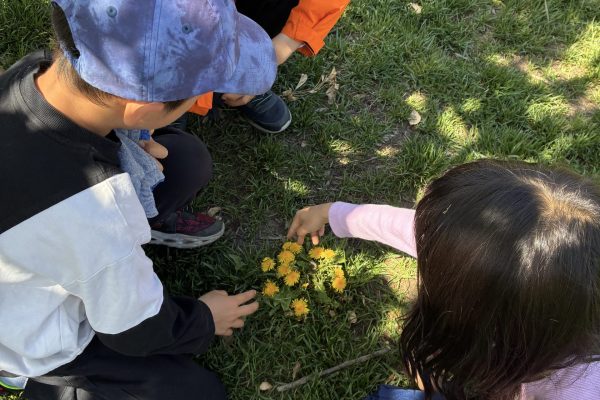
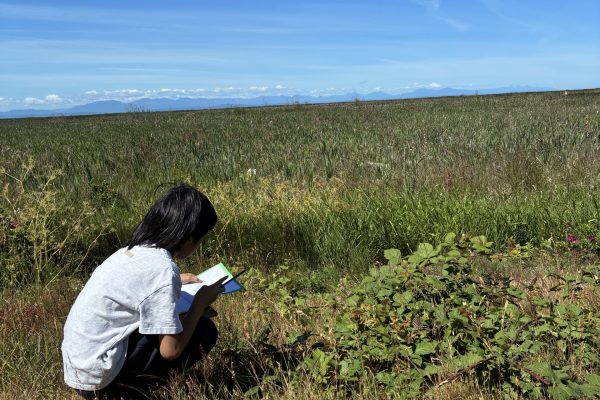
- Nature walks, sit spots, circle, nature journals
- Gardening – planting, harvesting, tending
- Use of text sets, field guides, and other sources of information to deepen understanding of local plants and animals
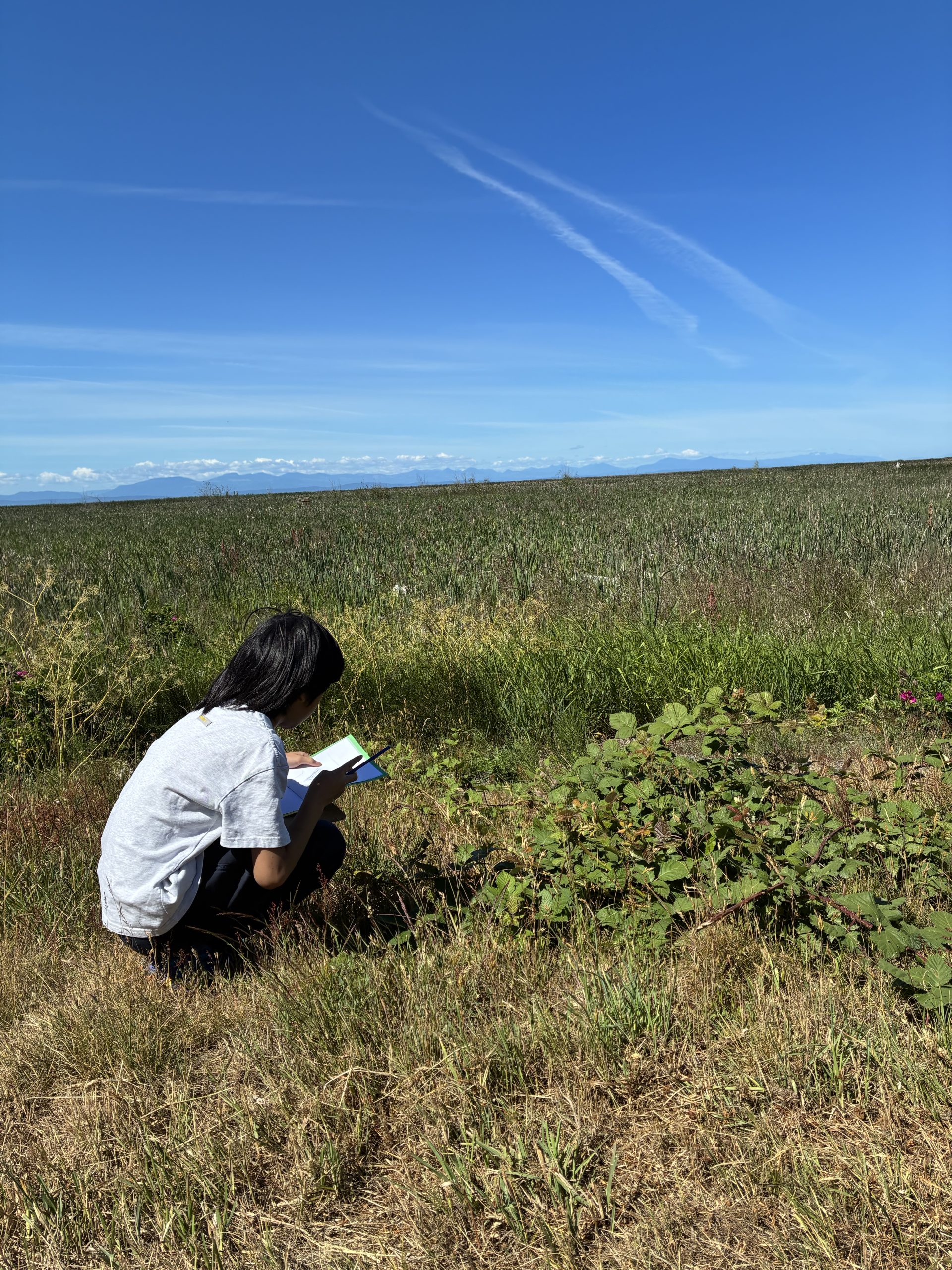
Students created a field guide of plants, trees, animals, and insects they have observed during outdoor learning
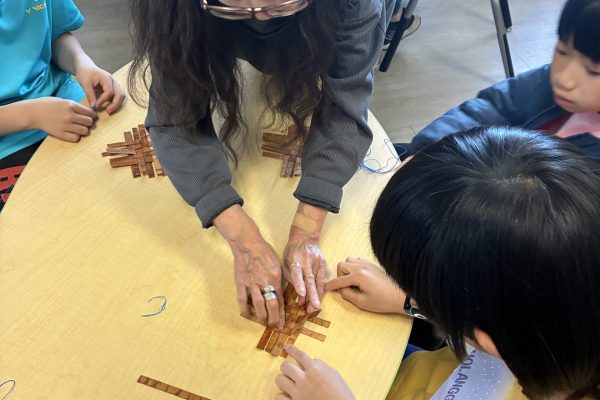
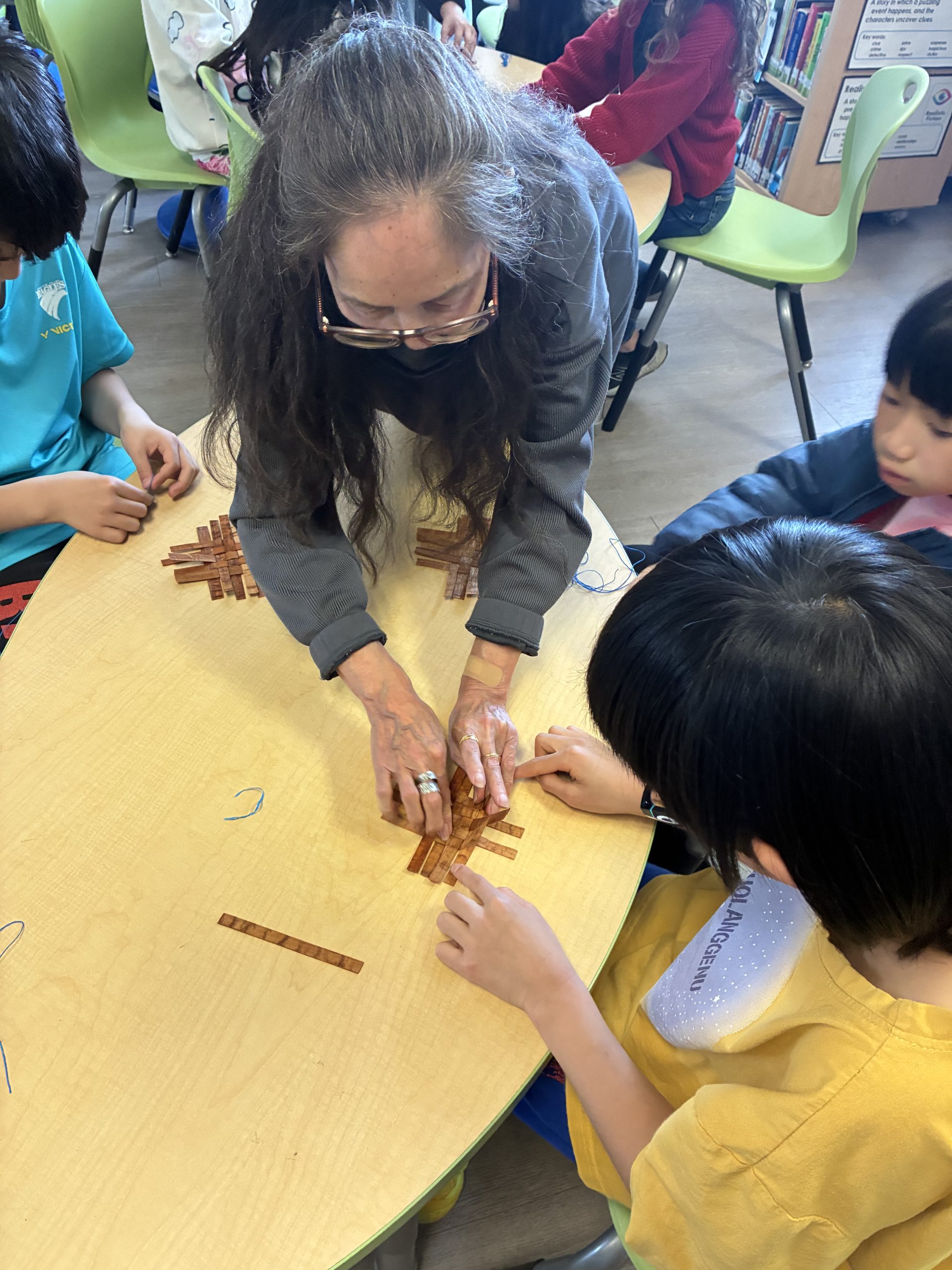
Cedar Weaving with Musqueam weaver Rita Kompst:
- Students and families worked with Rita to learn about Musqueam culture and her story, as well as significance of cedar
- They also made a cedar coaster
Where curiosity grows wall:
- Taking photos of what students noticed during nature walks and putting it on a bulletin board
- Interactive “Wonder Wall” – students invited to add their questions/connections
School wide field trip – Terra Nova Park:
- Learned about the Fraser River and its significance to local communities
- Explored nature routines at the park – growing connections to nature
Checking: We are making a difference for learners. One of the biggest evidence of change is a student-led and student-initiated Nature Club, where we gather weekly to engage in a variety of experiences, including:
- Tending to the garden
- Learning and looking for insects around the garden
- Harvesting
- Making bath salts and seed packets from plants in the garden to gift to community
Revisited scanning questions: What is nature teaching us? Why is it important?
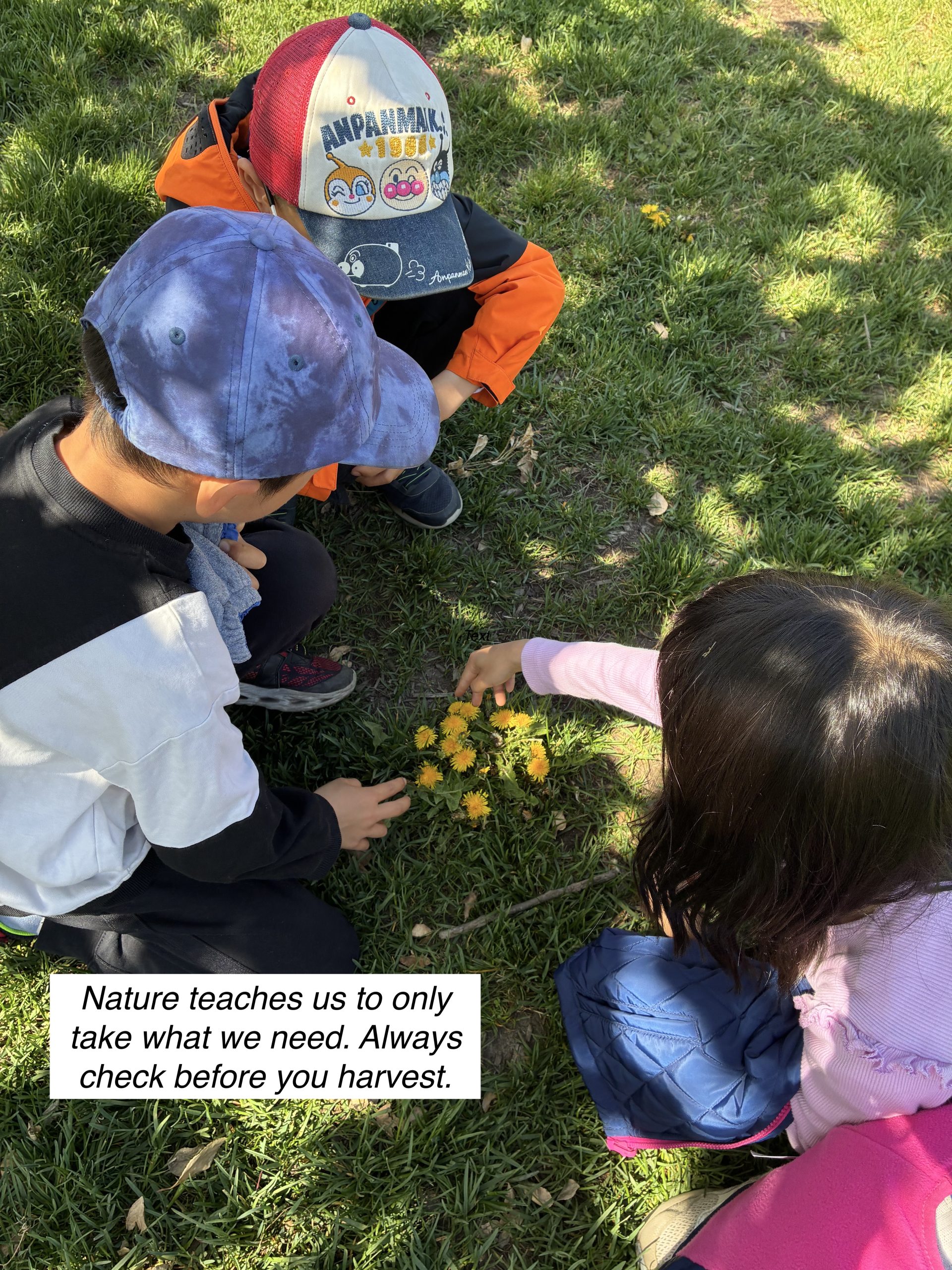
“Nature teaches us to only take what we need”
“Nature teaches us we can all work together”
“Nature teaches us that everyone is connected and the roots connect. Flowers all grow together to help one another.”
Their answers show a deeper connection to Place and Land. Students in Nature Club also co-created a land acknowledgment that will be shared at future gatherings.
Reflections/Advice: As we reflect on our year, we are reminded of the teachings from the river. What can the river teach us about living well? The river flows – gently, yet powerfully. The river shapes the shoreline, and at the same time, it’s also held by the shore. We can’t force how or where the river flows.
Perhaps that’s our learning. If children are the river, maybe our role is to guide and hold them gently and safely…and trust that the learning is already there – on the Land, in the river, and in the hears of children.